Nissan Coolant System Services in Baytown, TX
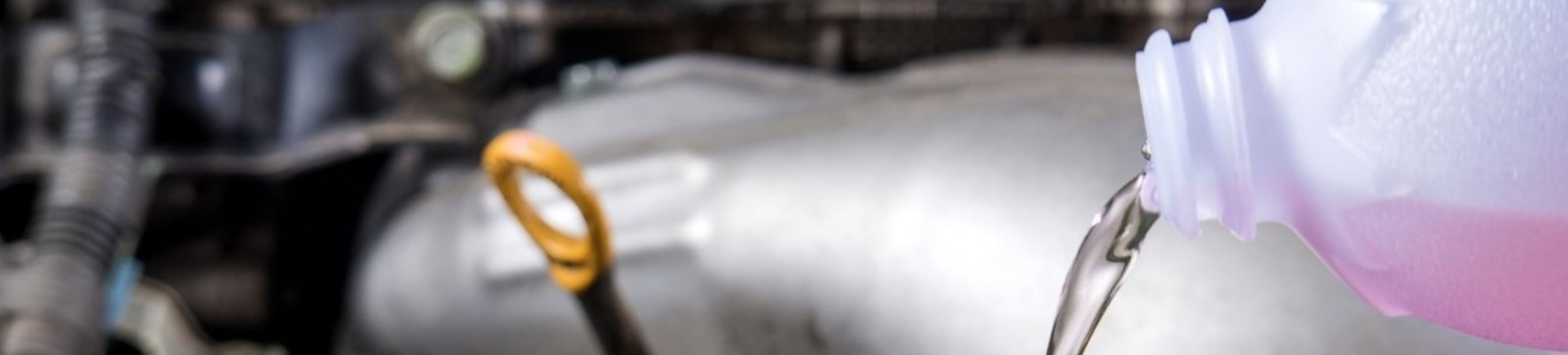
Dependable Cooling System Repair for Baytown-Area Drivers
Engine coolant does more than keep the temperature needle in the middle, because on many vehicles it also tempers the transmission fluid and the engine oil through heat exchangers. When one of those exchangers fails inside, fluids that should never meet can mix, and the overflow bottle is often the first place it shows. The Bravo Nissan service team in Baytown, TX diagnoses coolant systems on all makes and models by first identifying what is actually in the coolant. A sample is examined and tested, and the engine oil and transmission fluid are checked alongside it. The repair plan follows from what those fluids reveal.
A Plain-Language Guide to Your Cooling System
Heat exchange is the side of coolant few owners think about. On many cars, trucks and crossovers with an automatic transmission, the transmission fluid travels through a cooler built into one of the radiator's tanks, handing its heat to the coolant around it before returning to the transmission. Engine oil can follow a similar path through a compact oil cooler mounted on the engine.
This shared arrangement saves space and helps each fluid settle at a steady working temperature, and on some designs it even warms the transmission fluid sooner after a cold start. The tradeoff is that only a thin metal wall separates two fluids that must stay apart. When corrosion or age opens a pinhole in that wall, pressure pushes one fluid into the other, and both systems begin to suffer.
- A cooler inside the radiator tank is invisible from outside, so a failure there leaves no drip on the driveway.
- Transmission fluid mixed into coolant leaves an oily, reddish film that clings to the walls of the overflow bottle.
- Coolant pushed into transmission fluid is the more harmful direction, since water and glycol can break down clutch friction material and thin the fluid's protective film.
- Engine oil coolers can leak in either direction as well, leaving a brown sludge in the coolant or a milky tint in the oil.
- Coolant whose corrosion inhibitors are used up attacks the thin walls inside these coolers along with the radiator tubes around them.
Judging coolant condition takes more than a glance at the level. A technician looks at clarity, color and smell, lets a sample settle in a clear container to see whether an oily layer floats up, and checks the inside of the reservoir for residue. Test strips then show how much corrosion protection remains, which helps explain how a cooler wall may have worn through.
One drain and refill feels like it should clear contaminated coolant, since fresh fluid goes in and the color looks better right away. Oil and transmission fluid cling to the inside of the radiator, the heater core and the hoses, though, and a single refill leaves much of that film behind to cloud the new coolant within days. Cleaning a contaminated system takes repeated flush cycles with a cleaner made for oily residue, and the source of the leak has to be fixed first.
Why Cooling System Problems Rarely Fix Themselves
Cross-contamination tends to announce itself through color and texture more than through temperature. The needle may stay normal for a while, even as the coolant in the bottle turns cloudy or the transmission starts to behave differently.
Where the change shows up hints at which direction the leak runs. A cloudy or oily overflow bottle points to something entering the coolant, while a transmission that slips, flares between gears or shudders on light throttle can mean coolant has found its way into the gearbox. The two often appear together when a radiator cooler fails.
- A pink, tan or milky tint in the overflow bottle where the coolant used to look clear and bright.
- A greasy ring around the reservoir at the fluid line that does not wipe away easily.
- A transmission that hesitates, slips or shifts harshly soon after the coolant turned cloudy.
- Brown, gritty sludge under the radiator cap or in the bottle, a hint that engine oil is involved.
- A coolant level that drops slowly with no outside drip, while the transmission fluid, where it can be checked, reads higher than usual.
Not every cloudy bottle means two fluids have mixed. Stop-leak products, some coolant additives and tap water heavy with minerals can all cloud a reservoir, and old sludge can linger from an earlier leak that was repaired without a proper flush. The foreign fluid is confirmed before anyone names a source.
Acting quickly protects the transmission most of all. A radiator caught soon after its cooler fails may only need replacing along with a thorough flush of both systems, while a transmission that has run on tainted fluid for weeks can need far more. If the bottle looks milky, avoid long drives and towing until the vehicle is checked.
Service Options for Your Cooling System
Coolant work here falls into three visits, each built around a different question about the fluid.
Coolant Contamination Analysis
A sample is drawn from the reservoir and the radiator neck and examined for oil, transmission fluid, rust or sediment. The engine oil and transmission fluid are checked during the same visit, since a match between what is missing on one side and what is floating on the other names the leak. A test for combustion leakage is added when a head gasket is still on the list. You see the samples and hear which fluid crossed over before any repair is quoted.
Radiator Transmission Cooler Testing
On vehicles with a transmission cooler inside the radiator tank, the cooler lines are disconnected and the cooler is pressure checked by itself, apart from the rest of the system. Bubbles or a falling gauge confirm a breach in the cooler wall. When the cooler has failed, the radiator is usually replaced as a unit, since the internal cooler is not serviced separately on most designs. The transmission fluid is then evaluated so you know whether the transmission needs a flush, further testing or both.
Contaminated System Flush and Refill
Once the leak source is repaired, the cooling system is drained and flushed with a cleaner suited to oily residue, then rinsed with clean water until it runs clear. The overflow bottle is cleaned or replaced if the film will not come off, and the hoses are inspected for softening, since oil and transmission fluid can swell some rubber compounds. The engine is refilled with the coolant type it was designed for and bled of air. A follow-up look at the bottle after some driving confirms nothing is returning.
What Our Technicians Look for in Cooling System
The visit begins with the engine cold and a look into the overflow bottle before anything is touched, because the color and texture of what sits there guide the rest of the inspection. The technician also asks whether the transmission has felt different lately and whether anyone has added fluid or additives.
Take a pickup owner who tows a fishing boat to Cedar Bayou on weekends and spots pink, milky fluid in the overflow bottle. A neighbor blames the head gasket, and the owner starts bracing for an engine teardown. On the lift, the engine oil is clean, the combustion leak test stays negative and the transmission fluid has turned the same pale pink, because the cooler inside the radiator tank has split. Caught early, a new radiator and repeated flushes of both systems put things right, and the engine is never opened.
- The overflow bottle and radiator neck are sampled cold, and the sample is left to settle so any floating layer becomes visible.
- Engine oil and transmission fluid are inspected in the same visit for a milky tint or a change in level.
- A combustion leak test is run before anyone recommends removing a cylinder head.
- You see the samples side by side with a written estimate, and the drain pan stays empty until you approve the work.
After the repair, the cooling system goes through as many flush cycles as it takes to run clean, and the transmission fluid is exchanged whenever contamination reached it. The engine is then warmed to full temperature to confirm circulation and fan operation, and the overflow bottle is checked again after the vehicle cools.
Contamination work tends to go most smoothly when the vehicle arrives early in the day, because a full flush takes repeated cycles of filling, running and draining. All makes and models are welcome, from compact sedans to tow rigs. Sample checks and cooler tests often finish within the day of drop-off, when the schedule and parts allow. Some vehicles need a radiator brought in from a supplier first, and that is mentioned before any hose comes off.
The Bravo Nissan Service Lane for Cooling System Repair
Nissan engines and transmissions each have their own fluid requirements, and the factory-trained technicians at Bravo Nissan confirm both by VIN before anything is added. Nissan specifies its own long-life coolant, and many Nissan models pair the engine with a continuously variable transmission that relies on a dedicated Nissan fluid, so contamination on either side is cleaned up with the correct products. On many of those models a fluid warmer exchanges heat between the transmission and the engine coolant, and the technicians know where it sits and how to test it.
Nissan diagnostic tools display live coolant and transmission fluid temperatures, helping confirm that both systems settle where they should after a repair. Your advisor can explain how the cooling and transmission circuits are arranged on your model.
- Genuine Nissan coolant and CVT fluid are available to order, matching what the factory put in.
- Owners who tow with a Frontier or a Pathfinder can ask for the transmission fluid to be checked during any coolant visit.
- If the transmission shows signs of coolant exposure, the advisor explains the Nissan procedure for assessing it before any transmission work is quoted.
Find Bravo Nissan in Baytown, TX
Cooling System Repair Visits From Around Baytown
Owners who tow boats toward Cedar Bayou or head out to the trails at the Baytown Nature Center often have a transmission and a cooling system working hard together. Drivers from Baytown and its neighboring towns bring a cloudy reservoir or a changed shift feel to Bravo Nissan so both systems are checked in one visit.
- Mont Belvieu, TX
- Cove, TX
- Crosby, TX
- Highlands, TX
- Channelview, TX
- La Porte, TX
- Dayton, TX
- Beach City, TX
An odd color in the overflow bottle deserves a sample check soon.
Helpful Answers on Cooling System Care
These are the coolant questions that come up when fluids look wrong or the transmission starts acting up.
Q: Can a radiator really damage a transmission?
Q: How can I tell whether oil or transmission fluid is in my coolant?
Q: Should the transmission fluid be changed if coolant got into it?
Q: Can engine oil leak into coolant without a head gasket problem?
Q: Is this coolant testing available for vehicles from other brands?
When you reach the service desk, describe the color of the fluid in the bottle and anything the transmission has been doing.
A photo of the reservoir can help as well.
Bring Your Vehicle to Bravo Nissan for Cooling System Repair
A cooler that has started to leak does not seal itself again, and each drive moves a little more fluid across the wall. Booking at the first odd color protects the transmission, which is usually the costlier system to repair.
The samples and test results sit next to a written estimate, and no part gets ordered until you agree. The decision on each repair stays with you.
A sample check takes little of your day and can settle the question before a long tow. Request a time with Bravo Nissan and bring the vehicle in as it is, without topping off or flushing, so the evidence stays in the bottle.
Service Specials
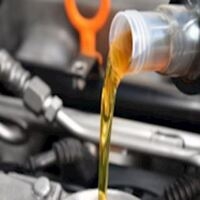
Full Synthetic
Synthetic oil just works better. Synthetic oil lubricates better at extreme temperatures and performs better for longer. Upgrading from conventional to syntheti
Read More

Discounted Rental Rate
Take advantage of a discounted rental vehicle rate of just $35 per day while your vehicle is being serviced with us.
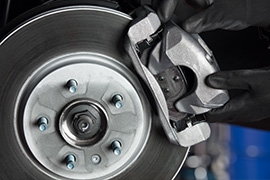
Ultimate Brake Package
Includes : Front and rear brake pads, front and rear rotors, brake system flush, lube calipers and pins, and check brake operation.
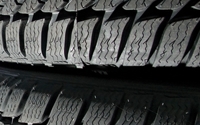
Tire Rotation
Rotating your tires regularly extends the life of your tires, makes your vehicle drive and ride better, and helps us catch problems before they cause safety iss
Read More
Tire Rotation
Regularly rotating and balancing your tires can improve vehicle handling, tire wear, fuel economy. It may also be required by the tire manufacturer to keep the
Read More
Engine Air Filter
Your vehicle needs air to perform. Replacing your air filter at regular intervals increases fuel efficiency while improving acceleration. | Service Includes: Re
Read More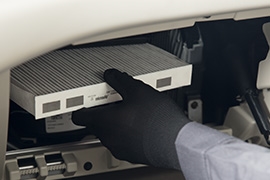
Cabin Air Filter
Breathe fresh, clean air with a replacement cabin air filter. We suggest replacing your cabin air filter every 6 to 12 months. | Includes: OEM cabin air filter
Read More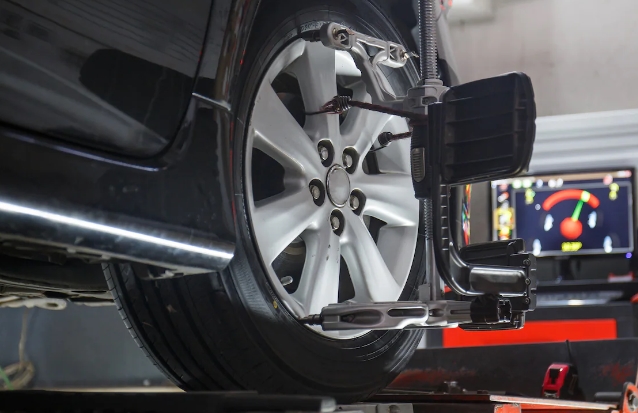
4-Wheel Alignment

Wheel Alignment
Your vehicle handles better, gets better gas mileage, and your tires last longer when your wheels are properly aligned. | Service Includes: Offer Valid with pur
Read More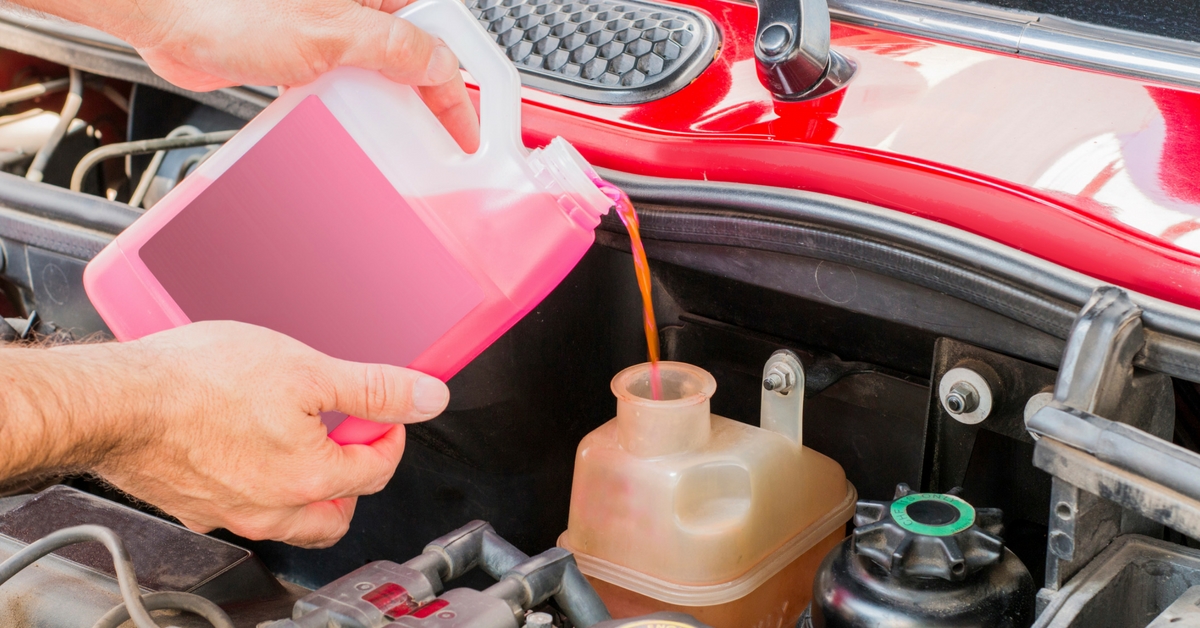
Coolant Flush
Transmission Service
Service Includes: Removal of old transmission fluid, Fresh new transmission fluid added, Cleaning the pan and housing, Inspecting for leaks
30k Mile Service
60k Mile Maintenance

Military Discount
For those who serve our country, thank you! | Save up to $100, Discount on any regularly-priced service for current or former military personnel
Senior Discount
Allow us to show our appreciation with a discount. | Save up to $100, Parts and service discount for seniors