Nissan Battery Services in Baytown, TX

Get Your Battery Checked Before the Next Long Trip
A starting battery is only one link in a chain that also runs through the cables, the clamps and the ground connections that carry current back to it. When cranking turns sluggish, any weak link in that chain can be the cause, and a new starting battery bolted into a poor circuit cranks no better than the old one. At Bravo Nissan in Baytown, TX, technicians test that whole path on all makes and models before anything is replaced. They also confirm which type of starting battery the vehicle was built around, since the wrong design can shorten its life. The diagnosis tells you exactly which link is weak.
The Parts Behind Healthy Battery Performance
Starting an engine takes a large rush of current for a few seconds, and that current has to travel a complete loop. It leaves the positive post, runs through the main cable to the starter, and then returns through the engine block, a ground strap and the body to the negative post. Every bolted joint along that loop adds a little resistance, and a corroded or loose joint can add enough to steal cranking power.
Starting batteries also come in different designs. The traditional flooded type holds liquid acid around its plates, while an AGM type holds the acid in fiberglass mats and tolerates deeper use. Many vehicles are built around one specific type, and on some of them the computer adjusts the alternator's output to suit that design, so a mismatched replacement may fit the tray yet wear out early.
- The engine ground strap is usually a braided or cabled link between the engine and the body or frame, and it carries the full starting current home.
- Ground points on the body sit next to painted or coated metal, and a bolt that loosens slightly can corrode between the lug and the sheet metal where no one sees it.
- The case label lists group size, post layout and whether the unit is flooded or AGM, and all three should match what the vehicle was built with.
- Some vehicles provide remote jump points under the hood, a positive post and a ground stud placed for easy access, so the starting battery itself never has to be touched.
- Portable jump packs carry their own protection on many models, yet they still need the clamps attached in the right order before the pack is switched on.
Jump-starting is safest when it follows the steps printed in the vehicle's own manual. In general the last clamp goes on a solid, unpainted metal point on the engine or on the remote ground stud, well clear of the starting battery, and the cables come off in reverse order once the engine runs. A jump pack, heavy cables and a donor vehicle can all do the job, but a car that needs a jump more than once is telling you something about its circuit.
Any starting battery that fits the tray and turns the engine over is often treated as the right one. In reality, a flooded unit placed in a vehicle designed for AGM can wear out early, and the reverse swap is not always a gain either. Matching type, size and post layout to the original specification is what lets a new starting battery reach its normal life.
Sounds, Smells and Sensations Linked to the Battery
Weak links in the starting circuit tend to leave clues before a no-start. A corroded joint can turn noticeably warm after a few cranking attempts, and dash lights that sag while the engine turns are another early hint.
Where and when the clue shows up narrows the search. A crank that is slow only when the engine is warm, or only after the vehicle has bounced along a rough road, often points to a loose or corroded connection that moves with the engine. Problems that come and go with engine movement or road vibration are rarely the starting battery itself.
- A cable end or ground strap that feels warm to the touch after a few attempts to start the engine.
- Green, white or dark crust at the spot where a ground strap bolts to the engine or the body.
- A crank that drags on some starts and sounds normal on others, with no pattern tied to how long the car sat.
- Gauges or interior lights flickering when the engine rocks on its mounts, such as the moment you shift into gear.
- A replacement starting battery that tests healthy on its own yet cranks no faster than the unit it replaced.
Testing before replacing exists for good reason. A conductance or load test describes the starting battery, but only a measurement of the loss across each cable and ground during cranking shows how much power the circuit wastes before it reaches the starter. Those readings, taken together, separate a tired starting battery from a tired connection.
A corroded ground does more than slow the crank. When the main return path is weak, current can look for other ways back through smaller wires, braided shields or even a transmission cable, and those parts can overheat or fail. Fixing the ground early protects them as well as the starter.
Battery Work Our Service Team Takes On
Every service below follows the starting circuit from the posts to the ground points, so the weak link is found before a part is chosen.
Cable and Ground Strap Loss Test
While the engine cranks, the technician measures how much power is lost across the positive cable, the negative cable and each ground strap. A reading that is too high pinpoints the joint that is wasting cranking power. Corroded lugs and bolts are cleaned to bare metal, and a strap with broken strands or a swollen end is replaced. The test is then repeated to prove the loss is gone.
Starting Battery Type and Spec Matching
Before a new starting battery is installed, the technician confirms the design the vehicle was built with, flooded or AGM, along with its cranking rating, group size and post arrangement. The hold-down and tray are checked so the new unit sits firmly. Where a vehicle needs the new starting battery entered with a scan tool, that step is completed before the car leaves. You get a replacement that matches the original specification, not simply the nearest size.
Jump-Start Recovery and Circuit Check
A vehicle that recently needed a jump gets more than a quick test. The technician checks the cables, the alternator's output and the starting battery, and looks at the jump points for sparking marks or signs that a clamp landed on the wrong spot. Owners can ask for a walkthrough of where the remote jump points sit on their vehicle and how a jump pack should be connected. The goal is to learn why the jump was needed so it does not happen again.
Diagnosing Battery and Explaining the Findings
The visit starts with the story of the last few starts, including whether the crank was slow, whether it changed with engine temperature and whether a jump or a new starting battery has already been tried. The technician then looks over every cable and ground point by eye before any tester is connected.
Suppose an owner who drives to classes at Lee College each morning notices the engine turning over more slowly week by week, and a second new starting battery bought recently makes no difference. The starting battery gets blamed again, and a third is about to be purchased. Under the hood, a loss test during cranking shows almost nothing lost at the posts but a large loss between the engine block and the body. The engine ground strap, bolted low on the block where road spray reaches it, has corroded at both ends until only a few strands still carry current. A new strap and clean contact surfaces brought the crank back to full speed, and the starting battery already installed was perfectly healthy.
- Every cable end and ground point is inspected, and each bolt is checked for tightness before testing begins.
- The starting battery is tested by itself, so its condition is known separately from the wiring around it.
- Loss across each cable and ground is measured while the engine cranks, and the alternator's output is checked with the engine running.
- You receive the readings, the weak link and an estimate, and parts go in only with your approval.
After a repair, the engine is cranked several times both cold and warm, and the loss test is repeated on every joint that was serviced. The technician confirms the alternator's output is normal and that no warning messages remain on the dash.
A commuter sedan that needed a jump in a parking lot that morning can share the schedule with a work truck whose cables are crusted, as the bays serve all makes and models. Cable and ground strap repairs usually wrap up during that appointment when the schedule and parts allow. An uncommon cable assembly may need to be ordered, and you are told before work begins.
Nissan Training and All-Makes Service at Bravo Nissan
Nissan-trained technicians at Bravo Nissan know where the main ground straps and cable junctions sit on Nissan engines and bodies. On a Rogue or an Altima, they follow Nissan service information to reach ground points tucked low or behind other components, and the correct starting battery type and group are confirmed with your VIN.
Nissan diagnostic software can read the current sensor fitted to the negative cable on vehicles that use one and review how the alternator's output is being commanded. If a model requires the new starting battery to be entered after replacement, the technician completes that step with the same software.
- Genuine Nissan starting batteries, cables and ground straps can be ordered on request.
- Any Nissan bulletin covering ground points or cables on your model is reviewed during the visit.
- Test readings are added to your Nissan service history for comparison at a later appointment.
Find Bravo Nissan in Baytown, TX
Neighboring Towns That Count on Our Battery Service
Commuters crossing Goose Creek on the way to work and students heading to Lee College start their engines many times a day, and every one of those starts runs through the same cables and grounds. Drivers from across Baytown and the nearby towns bring slow cranks and repeat jump-starts to Bravo Nissan so the weak link can be found.
- Highlands, TX
- Channelview, TX
- Crosby, TX
- Mont Belvieu, TX
- La Porte, TX
- Dayton, TX
- Deer Park, TX
- Cove, TX
A slow crank is a circuit question first, and measuring every link answers it.
Before You Book: Battery Service Questions
These are the starting circuit questions owners raise most often at the service desk.
Q: What is the difference between a flooded and an AGM starting battery?
Q: Is it safe to use a portable jump pack on my vehicle?
Q: Can a bad ground strap really make the engine crank slowly?
Q: Where should the cables go if my vehicle has jump points under the hood?
Q: My car is a different brand; can the cable and ground testing still be done here?
Mention whether the vehicle has needed a jump lately or already has a new starting battery, so the technician can begin at the cables and grounds.
Noting whether the crank is slower hot or cold helps as well.
Schedule Battery Service Around Your Baytown Commute
A weak ground or cable keeps wearing on the starter with every slow crank, and it can strand you just as surely as a worn-out starting battery. Measuring the circuit now puts the repair where it is actually needed.
Each finding is explained with its reading and its own price, and you approve what gets done. Anything that tests healthy stays in place.
Contact Bravo Nissan about a starting circuit test, and mention any jump-starts or recent replacements. If the engine barely turns today, say so first so the appointment can be arranged promptly.
Service Specials

Full Synthetic
Synthetic oil just works better. Synthetic oil lubricates better at extreme temperatures and performs better for longer. Upgrading from conventional to syntheti
Read More

Discounted Rental Rate
Take advantage of a discounted rental vehicle rate of just $35 per day while your vehicle is being serviced with us.
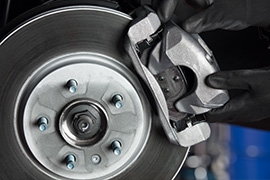
Ultimate Brake Package
Includes : Front and rear brake pads, front and rear rotors, brake system flush, lube calipers and pins, and check brake operation.

Tire Rotation
Rotating your tires regularly extends the life of your tires, makes your vehicle drive and ride better, and helps us catch problems before they cause safety iss
Read More
Tire Rotation
Regularly rotating and balancing your tires can improve vehicle handling, tire wear, fuel economy. It may also be required by the tire manufacturer to keep the
Read More
Engine Air Filter
Your vehicle needs air to perform. Replacing your air filter at regular intervals increases fuel efficiency while improving acceleration. | Service Includes: Re
Read More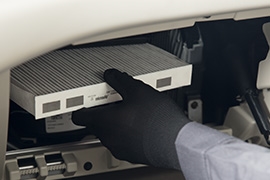
Cabin Air Filter
Breathe fresh, clean air with a replacement cabin air filter. We suggest replacing your cabin air filter every 6 to 12 months. | Includes: OEM cabin air filter
Read More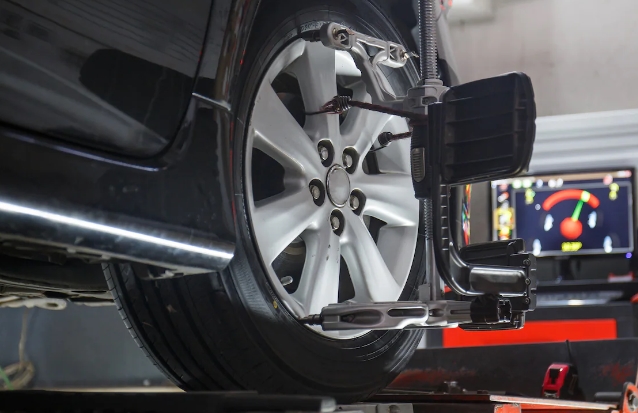
4-Wheel Alignment

Wheel Alignment
Your vehicle handles better, gets better gas mileage, and your tires last longer when your wheels are properly aligned. | Service Includes: Offer Valid with pur
Read More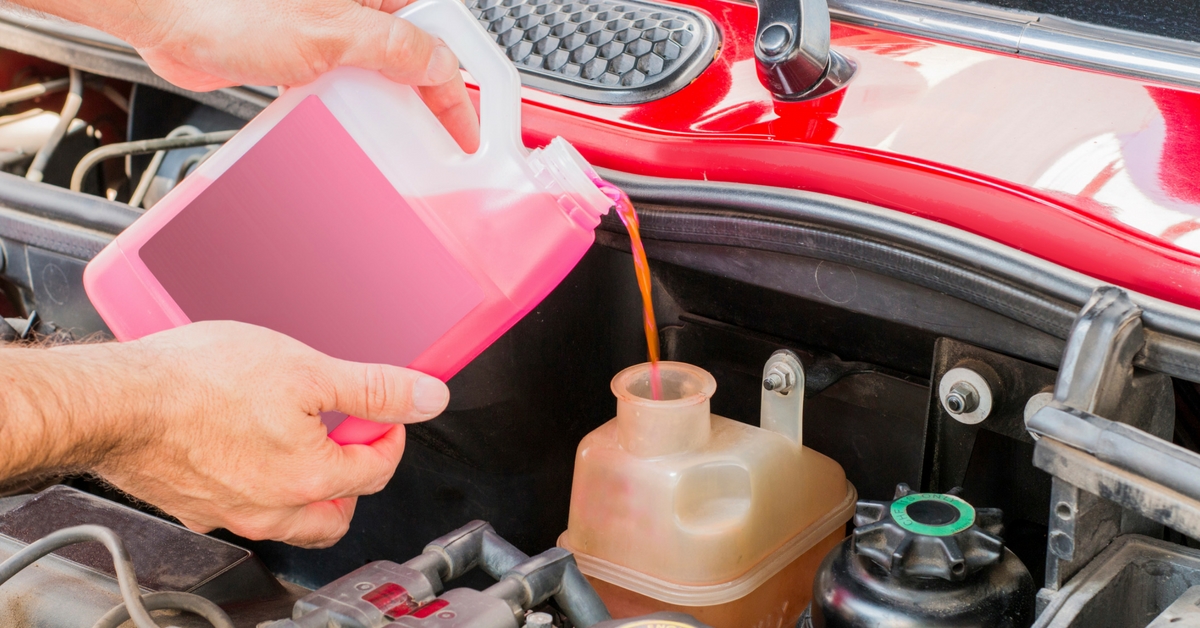
Coolant Flush
Transmission Service
Service Includes: Removal of old transmission fluid, Fresh new transmission fluid added, Cleaning the pan and housing, Inspecting for leaks
30k Mile Service
60k Mile Maintenance

Military Discount
For those who serve our country, thank you! | Save up to $100, Discount on any regularly-priced service for current or former military personnel
Senior Discount
Allow us to show our appreciation with a discount. | Save up to $100, Parts and service discount for seniors